


WINNSBORO – The massive fire that.destroyed the Healthcare U.S. mattress plant in Winnsboro sent pollutants up to 11 miles away, contaminating creeks, ponds, farm produce and farmland, according to a lawsuit filed late Friday, Aug 21, in Fairfield County Court of Common Pleas.
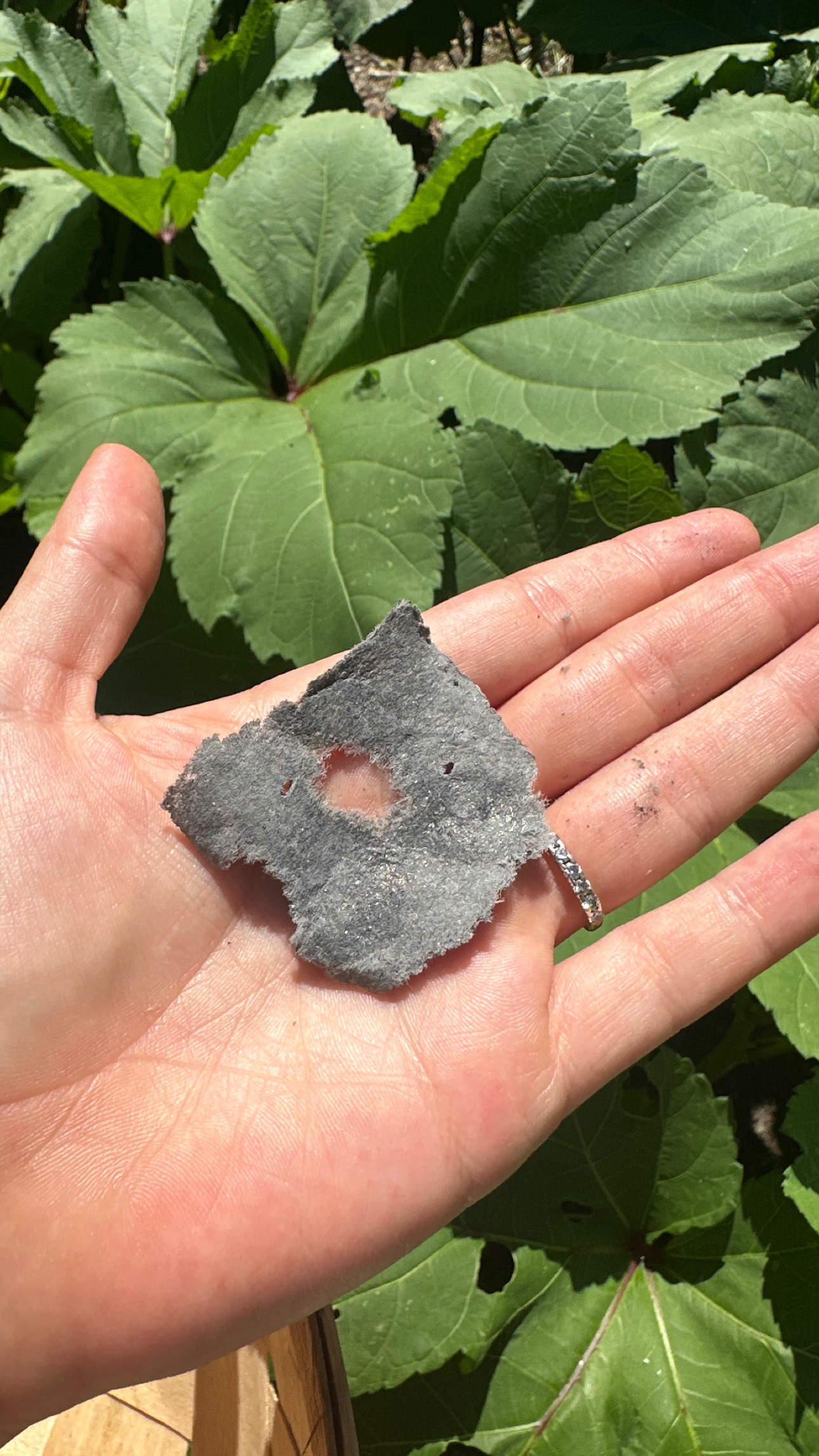
The fire, which started Aug. 16, “produced thick plumes of black smoke, charred debris, ash, and fine particulate matter that were carried by wind and weather for miles beyond the facility’s boundaries and into the surrounding community,” the lawsuit states.
Approximately 200 firefighters from 15 agencies across the state responded with 14 engines, seven tankers and tenders, three ladder trucks, a brush truck, eight personnel transports and an 18-wheeler foam truck, according to Fairfield County Fire Service.
The 650,000 sq. ft. plant has produced MLILY brand memory foam mattresses in Winnsboro since 2019.
“Defendant Healthcare Co. Ltd is believed to be a foreign corporation based in China and is believed to be the parent company and owner of MLILY USA,” the lawsuit stated.
Despite the size and duration of the fire, Fairfield County Vic Carpenter said injuries among emergency personnel were limited to one heat-related issue and two minor injuries not related to the fire.
Columbia attorneys Richard A. Harpootlian, Christopher P. Kenney, and William C. Lewis filed the lawsuit against Healthcare SC, LLC d/b/a MLILY USA, Healthcare US Co. LTD., and Health Care Co. LTD. The lawsuit accuses all defendants of trespass, private nuisance, strict liability, and negligence/gross negligence/recklessness.
Fire Investigation
“Fairfield County Administrator Vic Carpenter has stated publicly that the fire began when foam came into contact with a conveyor within the facility,” the lawsuit states. According to the County’s Public Information Officer, Gene Stephens, the details of how the fire started are being investigated.
The lawsuit, which is requesting class action status, is filed on behalf of Amy Bates, who owns and operates a produce farm in Ridgeway, and “others similarly situated whose property has likewise been invaded by ash, debris, and other emissions and by-products of the fire.”
“The Class is believed to consist of hundreds if not thousands of property owners and possessors,” the lawsuit states.
Pollutants “Like Snow” Falling
“Bates farms the land and sells the crops she grows to local restaurants,” the lawsuit states. “[She] also raises chickens and bees which, like her crops, are susceptible to pollutants and contaminants in the air and groundwater.
“Charred foam debris and fine particulate matter from the fire at the facility began falling like snow from the sky onto Bates’ property, including onto her land, her crops, and into the creek bordering her property,” the lawsuit states.
“Bates uses well water as a source of water for her home and crops.”
“Upon discovering the debris, Bates contacted her local Clemson University Cooperative Extension Service representative for guidance.”
“Bates was instructed by her Clemson Extension representative to immediately cancel all of her outstanding crop orders and to begin removing the debris from her land by hand while wearing protective gloves and a mask,” the lawsuit said.
The debris from the fire was widespread across the county.
Runoff Invades Creeks, Ponds
“The immediate and collaborative efforts of federal, state and local agencies were focused on limiting potential impacts to people, property and the environment,” said the S.C. Department of Environmental Services Director Myra Reece.
Runoff from foam and water used to fight the fire ended up in nearby ponds and creeks, including Mill Creek which feeds the Jackson Creek Reservoir, which supplies water to Winnsboro customers. HEPACO officials dammed up Mill Creek downstream from the runoff exposure, and county officials say the dam prevented the runoff from reaching the reservoir.
Bates requests a jury trial and for the Court to certify the lawsuit as a class action. She also requests compensatory and consequential damages, punitive damages, reasonable attorney’s fees and costs.
“We’re looking forward to getting to the bottom of this disaster and holding the company accountable for the impact it has had on Ms. Bates, her business, and the community,” said Bates’ attorney Christopher Kenney.
The Voice has so far been unable to reach a representative with Healthcare US for comment.