

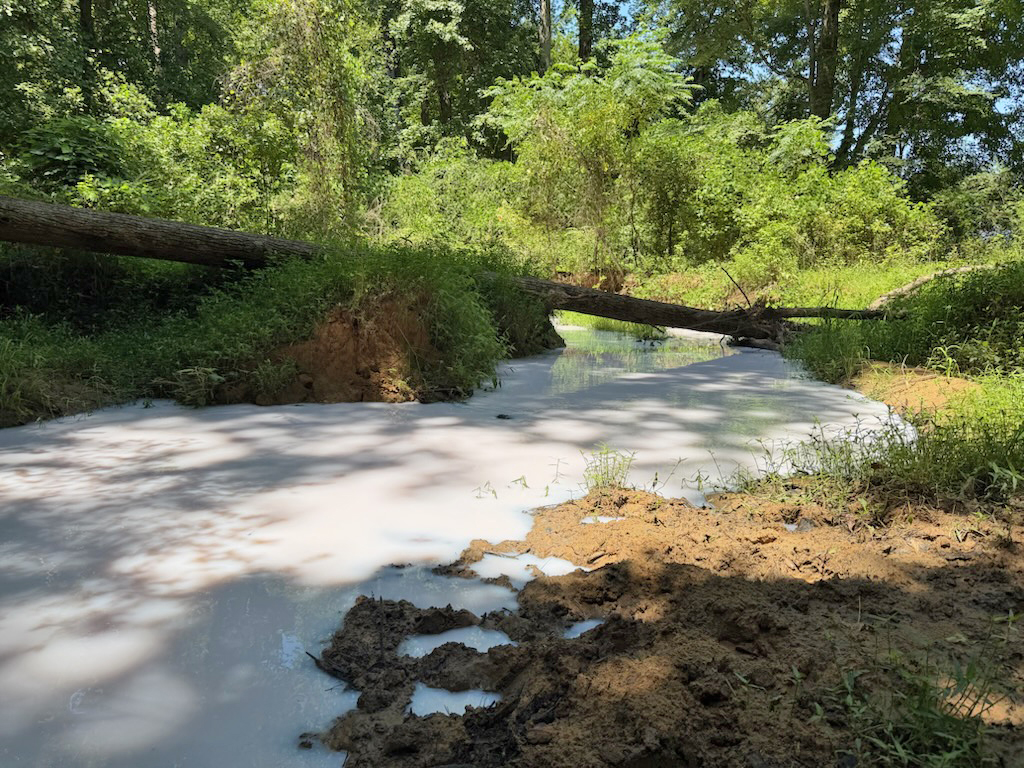
WINNSBORO – The impact of the almost 3-day fire that started on Aug. 16 at the HealthCare U.S. manufacturing plant in Winnsboro is being felt in the area around the plant and for miles across Fairfield County – from the 550-acre turkey farm next door where a creek is left covered in thick white foam runoff from the fire hoses, to a vegetable farm 10 miles away in Ridgeway where chunks of mattress foam, ash, and other debris rained on the produce, leading to all of the farm’s crops having to be destroyed.
Fairfield County Administrator Vic Carpenter said Monday that the Chinese-owned plant that manufactured MLILY memory foam mattresses is totally destroyed. The only part of the building still standing is the front office.
While Carpenter has insisted that the air quality from the fire is non-toxic and harmless, Facebook soon lit up with property owners worried about the effects of the runoff on the groundwater. One poster questioned whether chemicals might be headed down a creek to the reservoir that supplies the Town of Winnsboro’s drinking water.
In a press conference held in the Food Lion parking lot in Winnsboro on Monday, Carpenter cautioned against believing information that does not come from trusted, verified sources.
Foamy Creek
But Martha Ladd, who owns the turkey farm next door to the plant, is concerned.
A thick layer of white foam floating on top of a creek on Ladd’s turkey farm has raised new concerns about what the water runoff from the massive fire at the neighboring MLILY mattress manufacturing plant may have carried onto surrounding properties and into local waterways.
Ladd’s farm shares a property line with the MLILY property, where the approximately 160,000-square-foot plant burned fiercely throughout Sunday and Monday and continues to smolder.
Ladd said she doesn’t know exactly what the white foam substance in her creek is or what it contains, but she says her son discovered the foam while checking the property following the fire. He photographed the creek and collected water samples from several locations before calling environmental officials, who arrived on Monday, Ladd said.
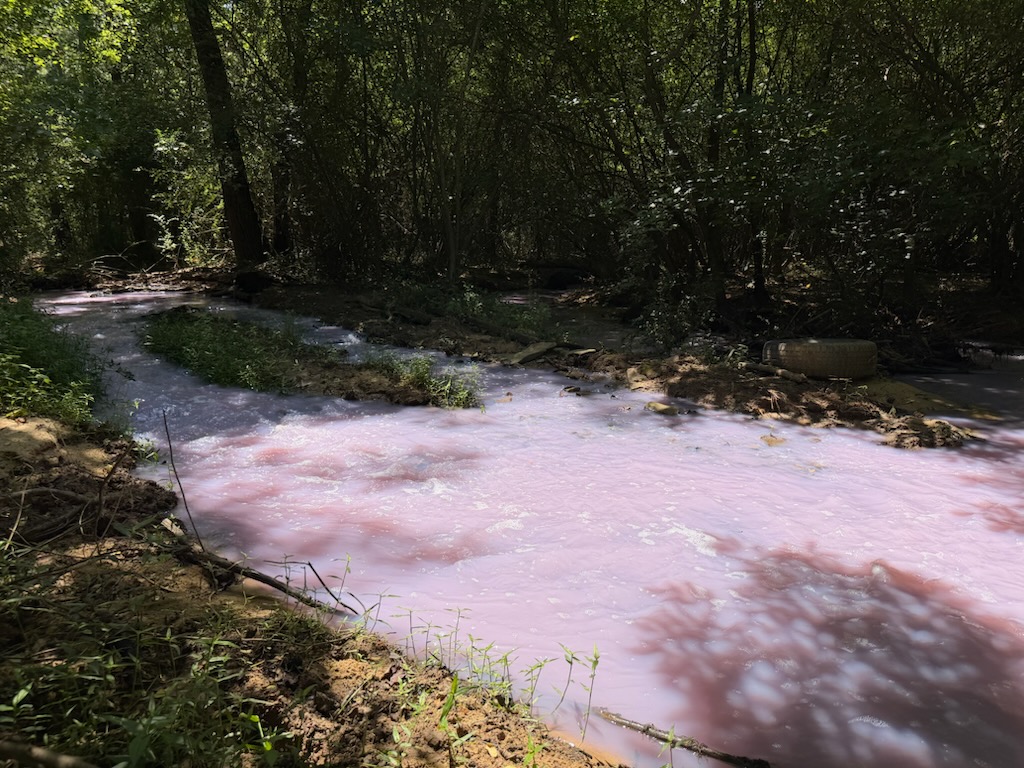
“We were just trying to be proactive in protecting what we have,” she said. But her concerns go well beyond the appearance of the creek.
Cattle on the farm drink there, and Ladd said of the farm’s four water wells, one is located near her turkey houses adjacent to the MLILY property; one serves her home, one serves another set of turkey houses and another supplies water to her son’s home.
Ladd said she had not yet checked the farm’s ponds and worries that contaminated runoff could eventually reach them or affect the farm’s groundwater.
“The creek itself could also carry whatever is in the runoff from our property into other waterways,” she said.
She said her son spent approximately two and a half hours on Monday touring the property with an environmental official who was examining the affected areas.
She also received a call from a S.C. Department of Environmental Services employee who asked whether the farm had experienced any problems.
While Ladd said she did not notice significant smoke on the property, her home security system detected smoke in her garage and sent her an alert during the fire.
For Ladd, however, the most pressing questions are now about what cannot be readily seen: what chemicals or other substances may be in the foamy creek water and whether those substances could reach the farm’s wells, ponds, or groundwater.
She said she has heard assurances from county officials that there was nothing toxic at the plant, but the unusual looking runoff has left her waiting for test results and answers.
“They say there’s not anything toxic over there,” she said, referring to the mattress plant. “You just can’t help but wonder.”
For now, the family is documenting what it finds and waiting to learn exactly what the thick white foam in the creek contains and what, if anything, it may mean for the farm.
“I hope everything works out okay,” Ladd said. “I really hope it does.”

Current crops ruined, fall crops delayed
Ann and Nick Bates own Carolina Crops, a regenerative farm on Carolina Drive near Ridgeway that focuses on soil health.
“We are not an organic farm,” Ann said, “but we practice organic farming, and we are a certified pollinator and wildlife habitat.”
The couple makes their living growing specialty produce on an acre of their property and supplying it to 12 to 25 most upscale restaurants, primarily in Columbia, Cayce and Camden.

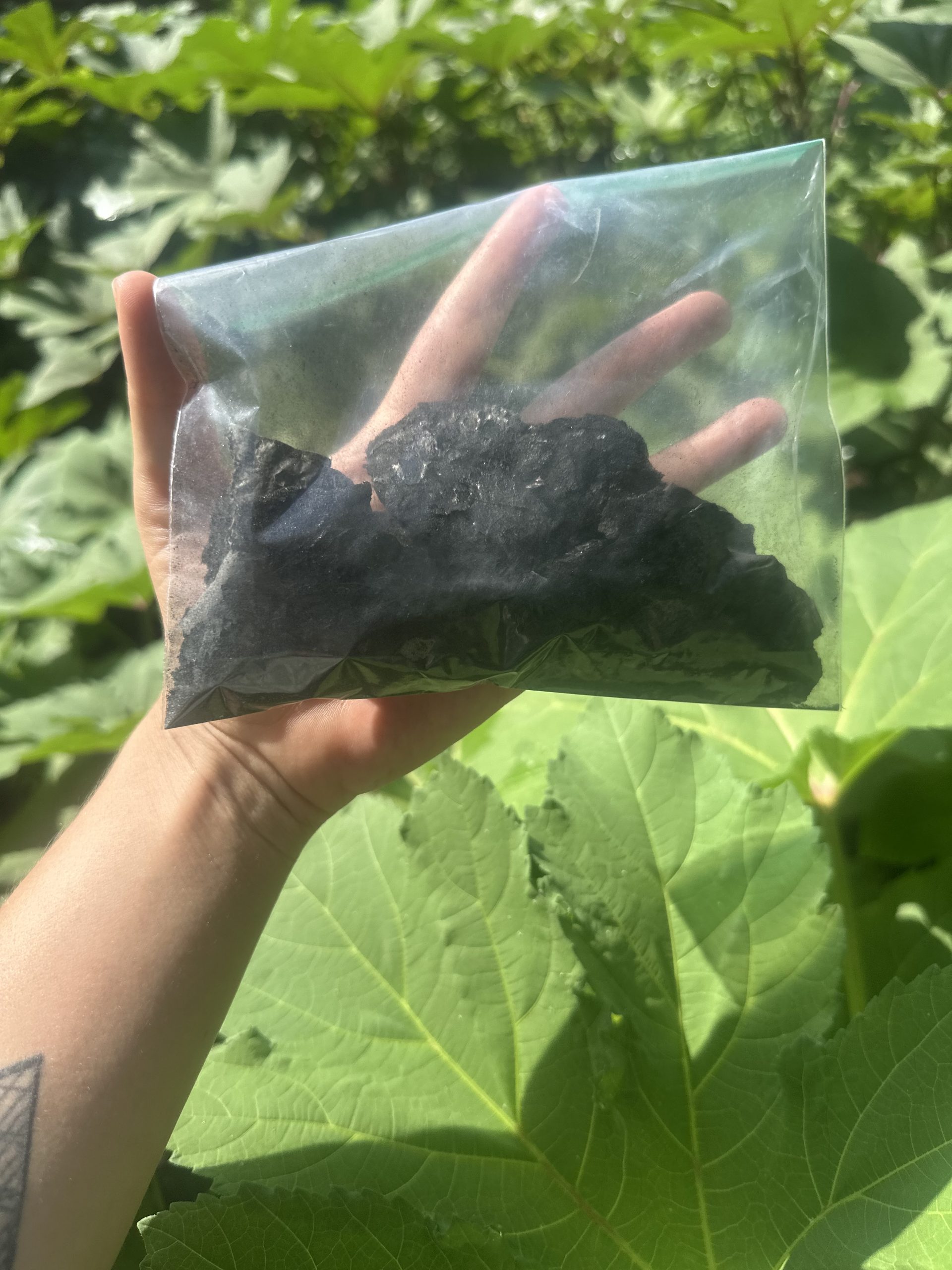
When Ann walked into her garden early Tuesday morning to harvest okra, she noticed something strange all over the plants’ leaves – a thick dusting of ash and debris.
Scattered across the garden were also small pieces of what appeared to be burned foam. She also found debris in the farm’s pond.
Ann said she realized the Healthcare U.S. plant that burned Sunday and Monday manufactured MLILY memory foam mattresses. But the plant was 10.8 miles away.
After finding the ash, Ann called her Clemson Extension agriculture agent, who put her in touch with the S.C. Department of Agriculture.
She said an SCDA representative subsequently contacted federal agencies, including the U.S. Department of Agriculture, Food and Drug Administration and Environmental Protection Agency, seeking guidance about crops exposed to fallout from an industrial fire.
According to Ann, she was advised on Tuesday that she should not sell food exposed to the ash and should not plant until two to four weeks after the ash stops falling.
County officials reported on Tuesday that hot spots at MLILY could smolder for at least two more weeks. On Wednesday, the Bates reported that the ash was still falling on their plants.
Also on Wednesday she said she spoke with the S.C. Department of Environmental Services in Columbia where an agent suggested stricter guidelines than she had received the day before.
“He recommended we not sell any of our produce harvested since the day of the fire and not to plant anything on the property until they received the results from having her soil, water and the ash tested.”
“The timing could hardly be worse,” Ann said.

The farm was still harvesting late-summer crops when the fire occurred. Some of the plants that are being destroyed were started from seed in January, she said, and were expected to produce until the first frost in October.
At the same time, the Bates are in the middle of a critical four-week planting period for fall crops.
“So delaying the fall crops messes up my next season as well,” she said. “It’s absolutely a nightmare for us. We are suddenly losing our income.”
Farm Loss has Long Reach
During peak tomato season, they make deliveries three times a week to about 20 restaurants, and Carolina Crops produce is featured by name on some restaurant menus.
“This is the source of most of our farm’s income,” Ann said. Now, she doesn’t know when she can again sell her produce.
“We spent much of Tuesday washing plants and discarding produce, with sprinklers running across areas we normally would not irrigate that way,” she said. Now she worries about that runoff into the soil and groundwater.
The loss reaches beyond the Bates’ farm. Restaurants build seasonal dishes around what Carolina Crops supplies. Shishito peppers from the farm are currently featured on several restaurant menus, while other restaurants use Carolina Crops peppers to make their own hot sauces.
Nick began calling chefs Tuesday to tell them expected deliveries would not be coming.
“We’re letting down the people who have supported us,” Ann said. “And it’s completely out of our control.”
“This farm is both of our full-time jobs,” she said. “After years spent building the soil, our customer base, and our farm, how did all this harm come in a matter of hours from a fire almost 11 miles away?”
“To have it all change overnight, I mean, it feels like a bad dream that I can’t wake up from,” she said.
The Voice reached out to S.C. Department of Environmental Services for information regarding the environmental impact of the fire on surrounding properties, but had not yet received a response at press time.