
A Data Center is:
- A hub for Computers, filled with rows of server racks running 24 hours a day.
- An Internet Engine that powers websites, email, video streaming, and cloud apps’. Modern societies use data centers for storing pictures, music and movies, accessing social media, GPS, mapping systems, smart TV’s, cell phones, etc.
- A Secured Zone, protected by strict physical security, firewalls, and constant monitoring.
- A Managed Climate that uses heavy-duty backup powers systems to prevent overheating.
A Data Center is not:
- A paper Archive and does not store physical files cabinets, books, or paper documents.
- A Call Center that house rows of people answering customer support phone calls.
- A Public Space; usually windowless and closed to visitors or walk-in customers.
- A Factory and does not manufacture physical goods.
At this point of my gathering knowledge and information, I am neither a proponent for them or against them, but Data Centers have no place in Fairfield County any time soon. The county does not have the infrastructure to support their purposes. I will note that people in the Southeast living near proposed projects are increasingly concerned with the covert tactics and smokescreen that has surrounded efforts to build them.
A Carnegie Mellon University study estimates that data centers could raise average U.S. electricity bills by 8% by 2030, with even bigger hikes in hot spots like northern Virginia. Water consumption is another growing concern. A single hyper scale data center can use millions of gallons of water daily for cooling, putting pressure on local water supplies.
Companies seeking to build data centers need to make sure that local residents are informed ahead of time, not after the fact. It means public hearings with real, complete information about energy consumption, water use, noise levels, and effects on local infrastructure. It means elected officials who answer to their constituents first, not to the corporations seeking tax breaks and zoning variances. The Fairfield County Council members are huddling together listening, researching and gathering information to protect our County and citizens from the unscrupulousness that Data Centers can heap upon a community.
As a citizen and Council member of Fairfield County, I cannot predict where AI will take us in the next ten years. It is possible that it will take us some place not so great, unless we control it and we are in control of our own local government, but it is inevitable that we are not going to stop it. If this technology becomes as important as many people believe it will, America must be shaping it. History is predetermined and leadership does not stay vacant. If we choose not to build, we are leaving a void and someone will build them. History has a way of filling empty spaces.
We must get the facts and require transparence around resource use, job creation, and taxes paid. We must write strong local ordinances that protect the citizens and our beautiful county. And we must have a Community Benefit Agreement and create a Community Action Group to ensure citizen’s voices are being heard.
Approaching the Data Center builders require confident and knowledge. Saying, “Not on my back, not with my electricity bill, not with my water, not with the lights flickering in my house! No! Citizens would be 100% right. That part can be solved, however.” We already see companies signing agreements with counties tied to power generator, including nuclear projects. Opening facilities that have previously been shut down (Fairfield County). This is a great model to use. If Data Centers need massive amount of electricity, then they bring the electricity. Data Center build the generators, they strengthen our grid. Data Centers pay your bill, don’t hand it to us. We don’t want to hear the Data Center’s problems. So the price is going to be high for you as well.
As the Fairfield County Council enact its Moratorium, we will be mindful of the concerns and needs of the citizens and work to implement an Ordinance that will bring relief, comfort and assurance that their voices have been heard and the call to action has been fulfilled.
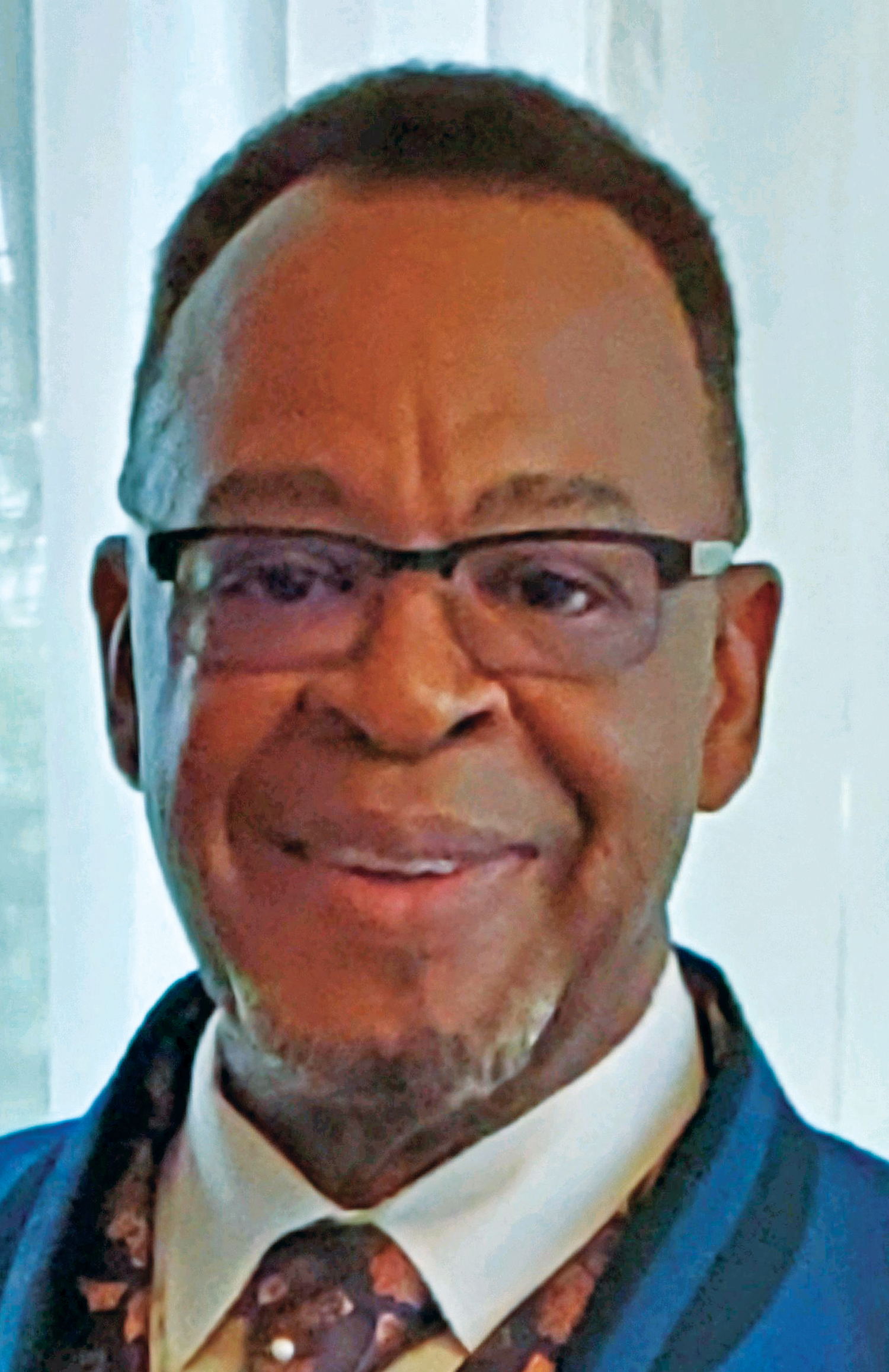
Carl Bell is a Fairfield County Councilman.