


FAIRFIELD COUNTY — God was good to Bishop Samuel L. Green Sr. on Aug. 10, 2024.
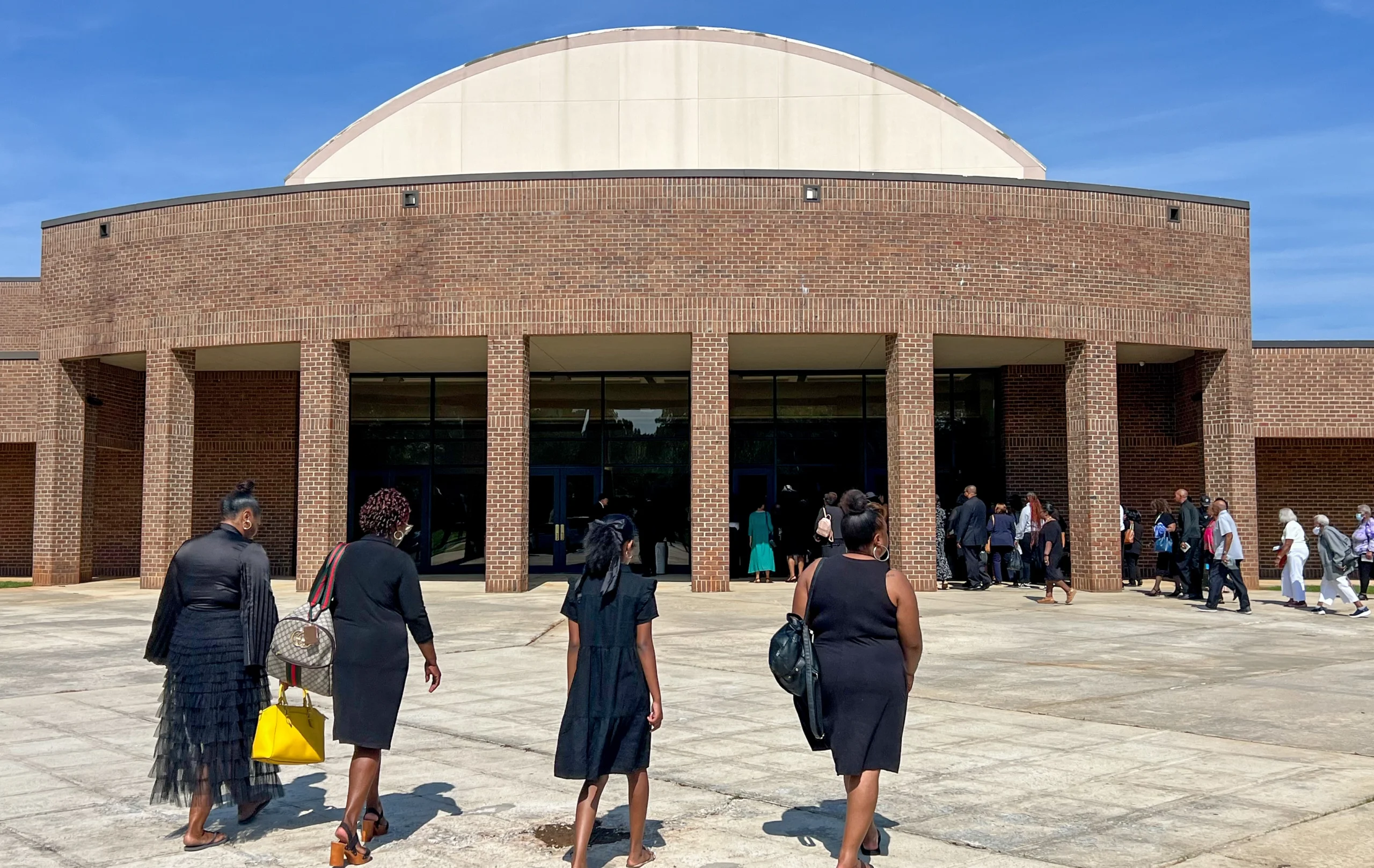
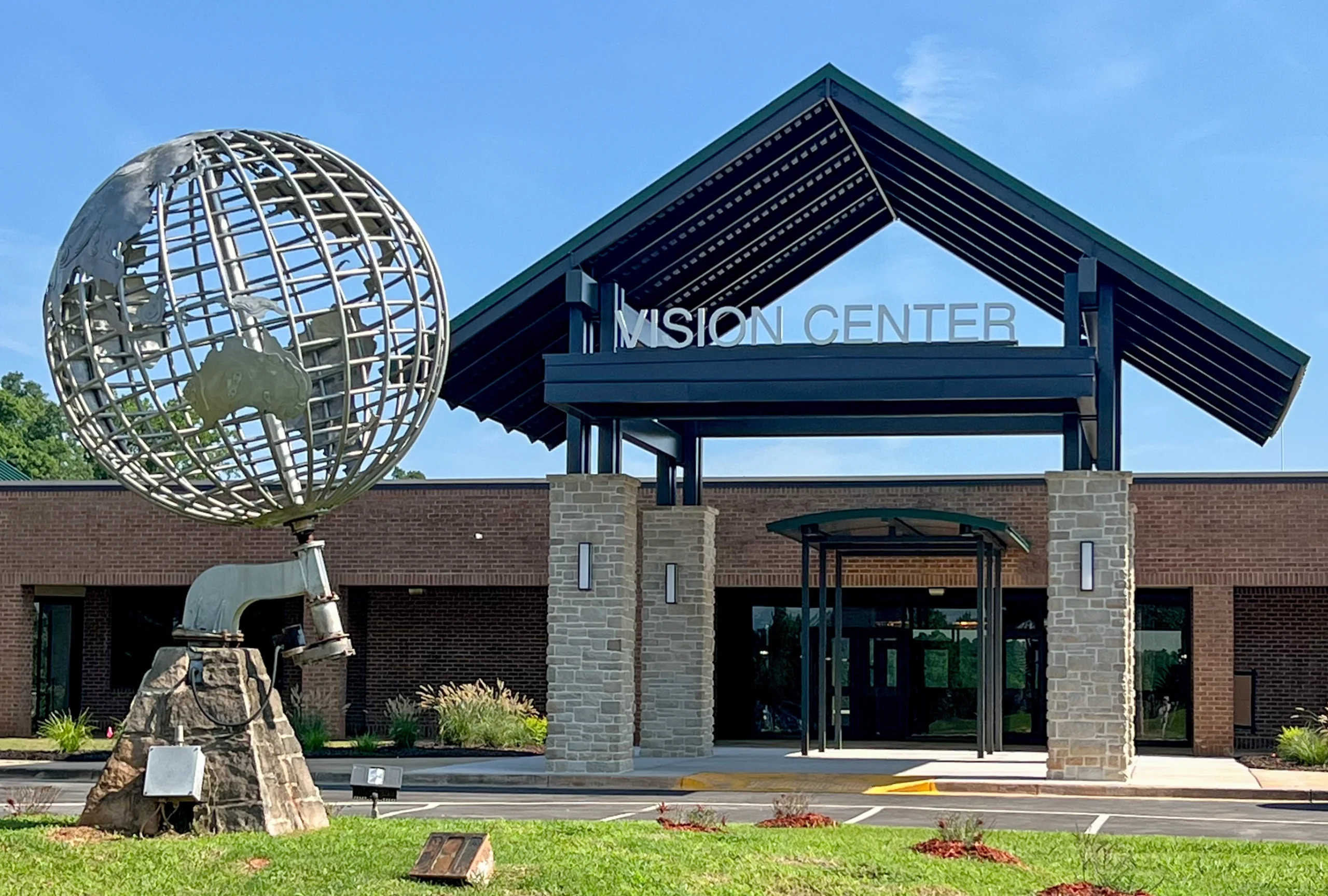
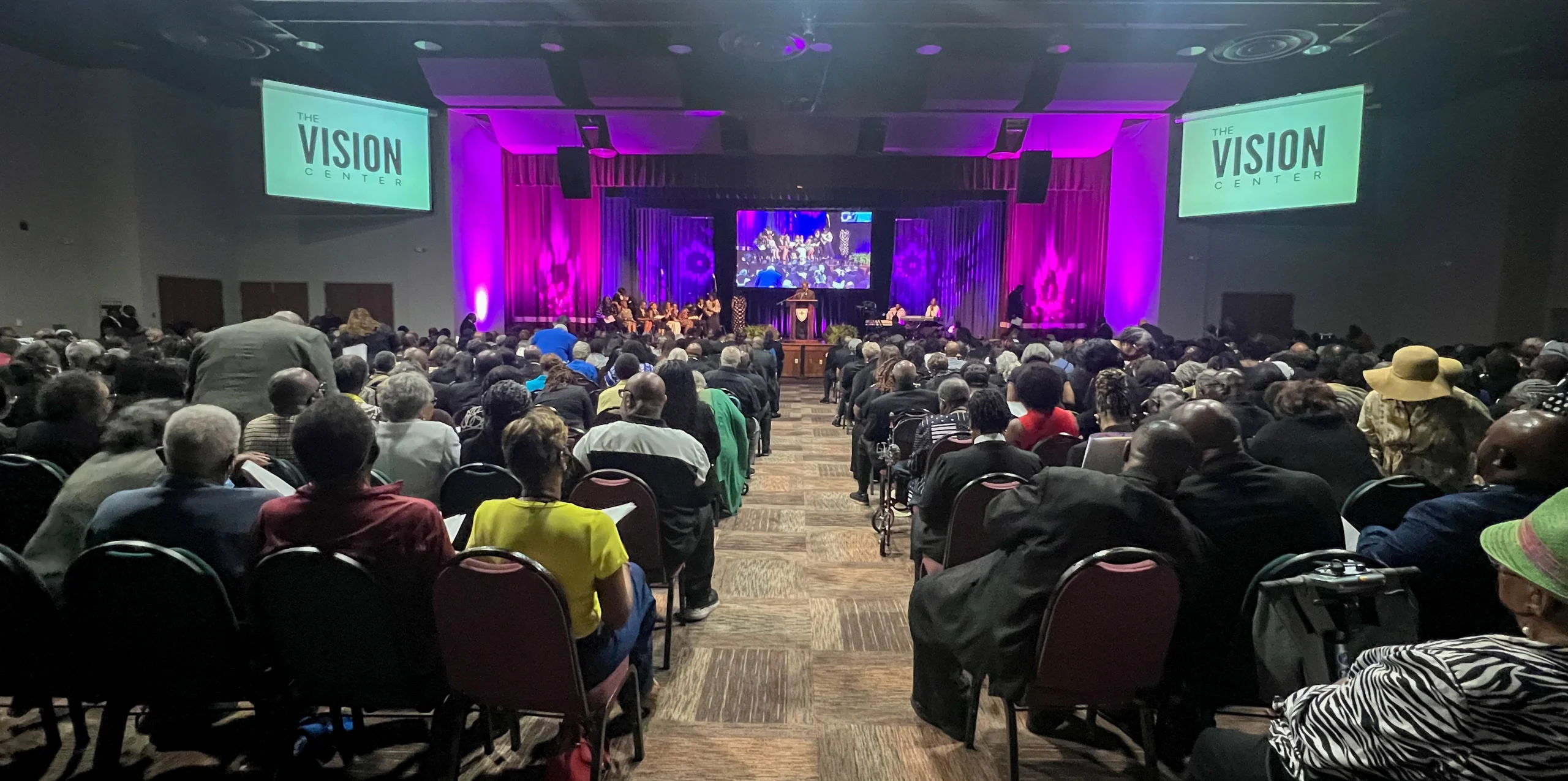
That day, a crowd of at least 1,000 people joined the state leader of the African Methodist Episcopal Church to open the Vision Center, a rural retreat north of Winnsboro.
The purchase and taxpayer-subsidized revival of the former White Oak Conference Center was a pet project and swan song for Green, who was finishing an eight-year tenure as the leader of the AME Church in the Palmetto State.
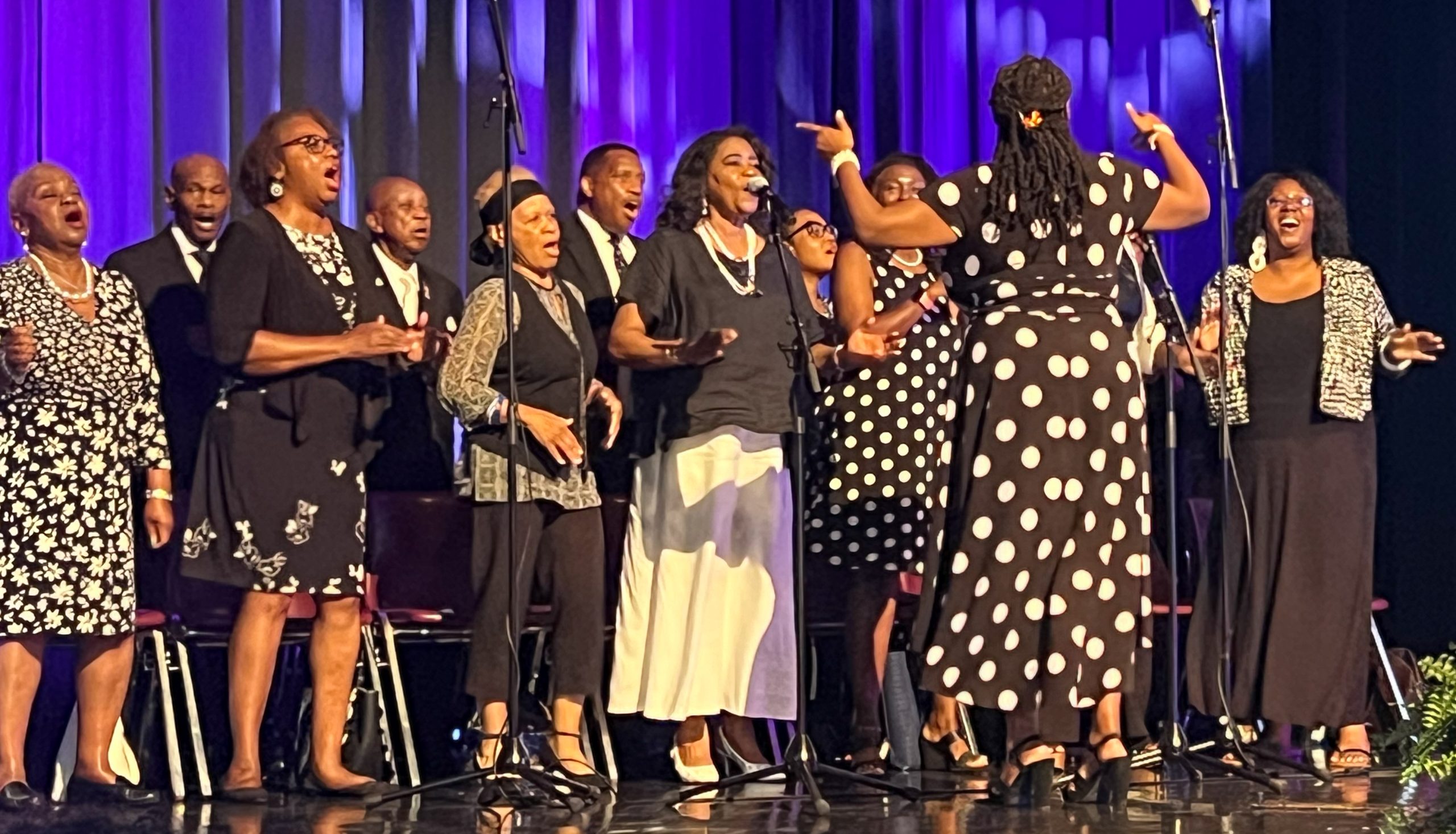
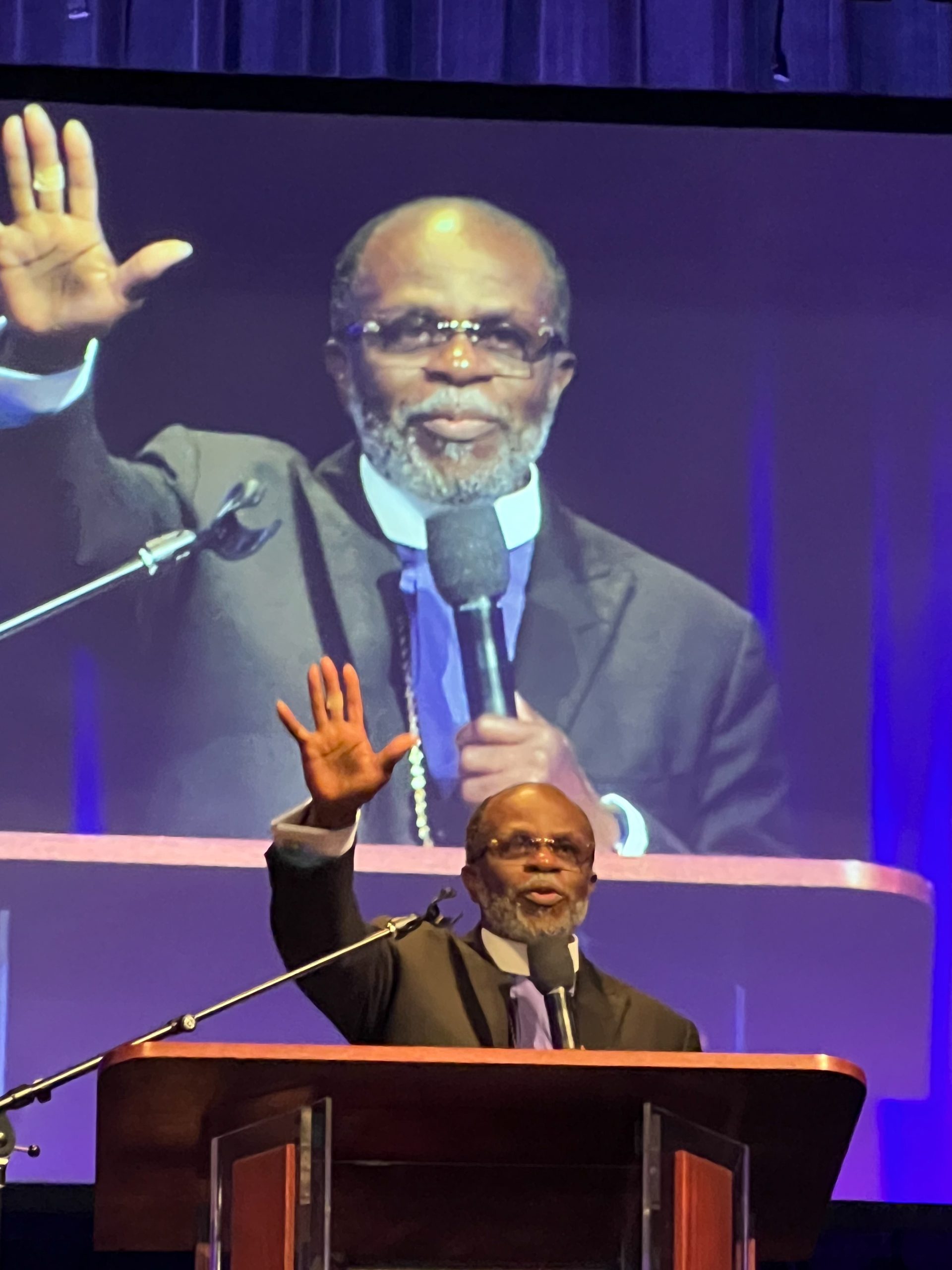
During a dedication service that morning, Green took to the stage, broke out in song and told the crowd of faithful, “This is your house.”
Then, in a surprise ceremony, the bishop was honored by a pair of state lawmakers and handed a going away gift — the Order of the Palmetto. Green was grateful, not only for the high honor, but for the millions of dollars legislators had given to the Vision Center.
“I thank God that our state legislators understood the economic impact that this center would have in this community,” said Green, who then headed outside to cut a red ribbon with oversized scissors. The center was officially open.
“This 218-acre retreat and conference facility, born from the faith and hard work of AME members, is more than a space — it’s a movement,” Green later posted on Instagram. “Here, we’re turning visions into reality by providing a place where ministries can grow, leaders are developed, and communities thrive. Beyond spiritual retreats and conferences, the Vision Center is set to drive economic growth, creating jobs and opportunities that will impact generations.”
Nearly two years later, however, Green’s movement has lost significant momentum — if not ground to a halt.
Few events have taken place at the center, and there seems to be no information posted publicly about how to rent or use the facility. An inquiry sent to the retreat’s project manager did not meet with any response.
Despite receiving $4 million from the Legislature and additional money through donations solicited within the AME Church, the center faces lingering maintenance needs, including repairs for its roads, heating and air-condition systems and a nearly 50-year-old wastewater treatment facility, according to regulatory records, a Vision Center supervisor and a Fairfield County official.
The apparent slowdown has occurred as accusations swirl about the handling of money within the Seventh Episcopal District of the AME Church, which encompasses South Carolina, as well as financial matters involving Allen University, a private, historically Black university in Columbia affiliated with the church.
An activist group has released alleged recordings of an AME Church official stating that money raised for years in the name of the university was diverted to the Vision Center.
Allen itself is in turmoil, reportedly under FBI investigation related to its attempts to obtain federal money for the renovation of an old hospital building that took place during Green’s tenure as bishop, when he was also chairman of the university’s board of trustees. In December, Allen’s board, which is led by the local AME bishop by rule and filled with church officials, hired a new president who has said he is focusing on stabilizing the university and strengthening financial oversight.
In March, a former Allen trustee sued the university’s board members, the AME Church and Green, among others, alleging that they engaged in a “coordinated scheme of fraud, deception and abuse of power.” The suit accuses them of using their positions within Allen and the church to “enrich themselves, secure unlawful financial benefits, and evade accountability, all at the expense of the University, its students, its donors, and the public.”
Neither Green nor his S.C. successor responded to interview requests.
A dream becomes reality
Green dreamed of the Vision Center since at least 2018, when he created a nonprofit corporation in South Carolina with that name. Four years later, he found a possible home for the retreat in White Oak, located about 45 miles north of Columbia. He made arrangements in early 2022 to visit the facility, which had been a longtime retreat for the S.C. Baptist Convention.
Green arrived at the conference center and walked the grounds while he waited for the Realtor.
With each step, the bishop later told his audience at the dedication ceremony, he repeated the message that God was said to have delivered to the Biblical figure Joshua: “I will give you every place where you set your foot.”
Just as Joshua and the Israelites gained the Promised Land, members of the AME Church in South Carolina obtained the conference center. Green told his audience that $870,000 was paid for the retreat and its many amenities — a price that he seemed to consider a bargain for a facility that had not seen use in years.
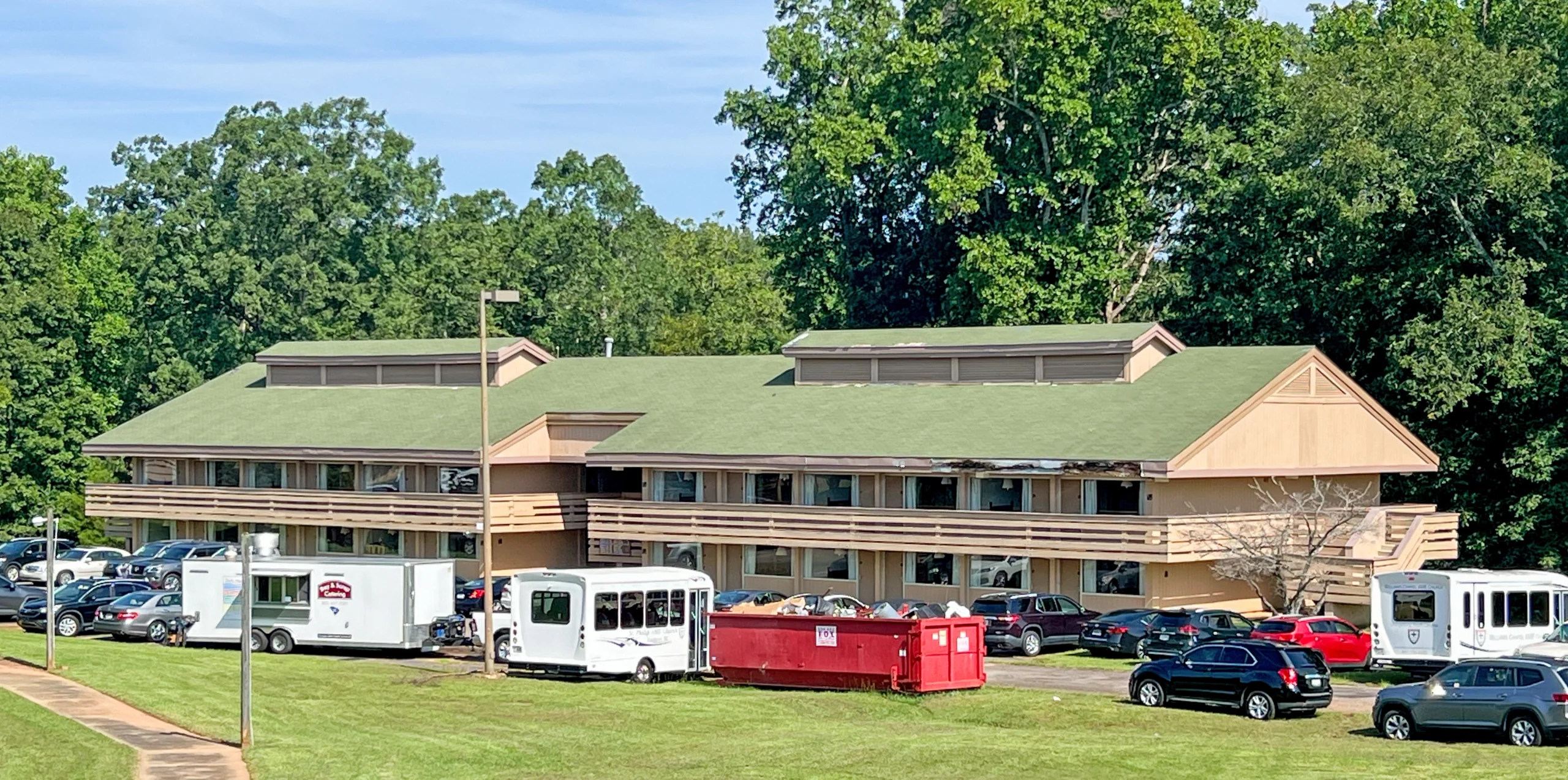
“The offer I gave was probably laughable,” the bishop told his crowd, disclosing that the bid paid for “218 acres, 26 classrooms, multiple buildings, three motels, 144 rooms, auditorium that seats over 900, cafeteria that seats 400, Olympic-size pool, pavilions all over, two lakes that you own, full of fish, waiting for you to catch ’em.
“This is the Lord’s doing, and it’s marvelous in our eyes,” said Green to the applause of worshipers.
The AME Church’s newspaper, The Christian Recorder, voiced its own approval five days after the ribbon cutting, writing, “For decades, members of the Seventh District have spent hundreds of thousands of dollars, if not millions, to host conferences and events in White-owned facilities, much to the dismay and complaints of AMEs who have long questioned why the church doesn’t purchase its facility and invest in itself. That dream has now become a reality.”
Green told his audience that the center had been bought outright and was free of debt, though he warned against any member of the AME Church assuming they could use the facility at no cost.
“Don’t book it and expect it to be free,” said Green. “You paid the Embassy Suites and didn’t say a word. So don’t complain, there will be booking fees, there’s a business plan attached to this. This is a business. This is not mom and pop.”
Available or unavailable?
When Dorothy Boyd Belton became the first Black clerk of court for Fairfield County, she celebrated with an inaugural ball at the Vision Center.
Belton claimed victory at the polls in November 2024, but inclement winter weather delayed her party until June. The long wait did not dampen her enthusiasm for the bash, and Belton hosted an event in the center’s reception hall and dining area that featured catering and live orchestral and jazz bands.
“It was absolutely beautiful,” said Belton, adding that some guests compared the evening to a presidential inaugural ball.
Belton enjoyed herself so much that she sought to rent the Vision Center again for a vow renewal ceremony with her husband. But she was told such a party would have to wait as the complex was back in renovation mode, with fixes needed to its heating, air conditioning and waste treatment systems.
Belton knows of no one who has used the retreat since she hosted her gala.
The facility’s apparently limited use stands in contrast to Green’s claims that the Vision Center would create “economic development and empowerment in Fairfield County.”
In remarks made during the center’s opening, as recorded on YouTube, Green touted the jobs the facility and its operations would provide, and how summer camps could provide students instruction on STEM topics and Black history. The bishop talked of the Vision Center’s creation being God’s will and how the complex would be a part of the worshipers’ families for generations to come.
Green thanked not only God, but state legislators who underwrote the center’s renovations. Among others, he thanked Rep. Annie McDaniel of Fairfield County and Rep. Carl Anderson of Georgetown, who, on behalf of the governor, had presented Green the Order of the Palmetto, which is the highest civilian honor given in South Carolina.
McDaniel did not reply to requests for comment, but Anderson said in an interview that the Legislature made a wise investment to help open the center and that state money has been used as intended. Any complaints about the facility, he said, likely stem from some “bitter” or unhappy critic.
“I have not heard of any mishandling of funds. If that’s the case, we would know,” said the legislator, who is also a presiding elder within the AME Church. “Nothing happens overnight.”
While Belton said she was told the facility was closed for further renovation and unavailable for rental, Anderson said church events are held at the facility almost monthly, and that he attended one in November.
People must be working at the retreat to staff these events, Anderson said. He also noted that, even with the Vision Center open, the AME Church has continued to rent other conference facilities, such as the Florence Center in the Pee Dee.
The Legislature directed $2 million to the Vision Center in the 2023-24 fiscal year — an amount that Green said helped pay for an initial round of renovations. Then the center received another $2 million from the Legislature in the following budget. A legislative document notes that the money was requested in order to refurbish the facility so it could “host multiple Conferences, Annual Convention and other events throughout the year. The Corporation will operate and provide employment for persons to work in the hospitality industry in Fairfield County.”
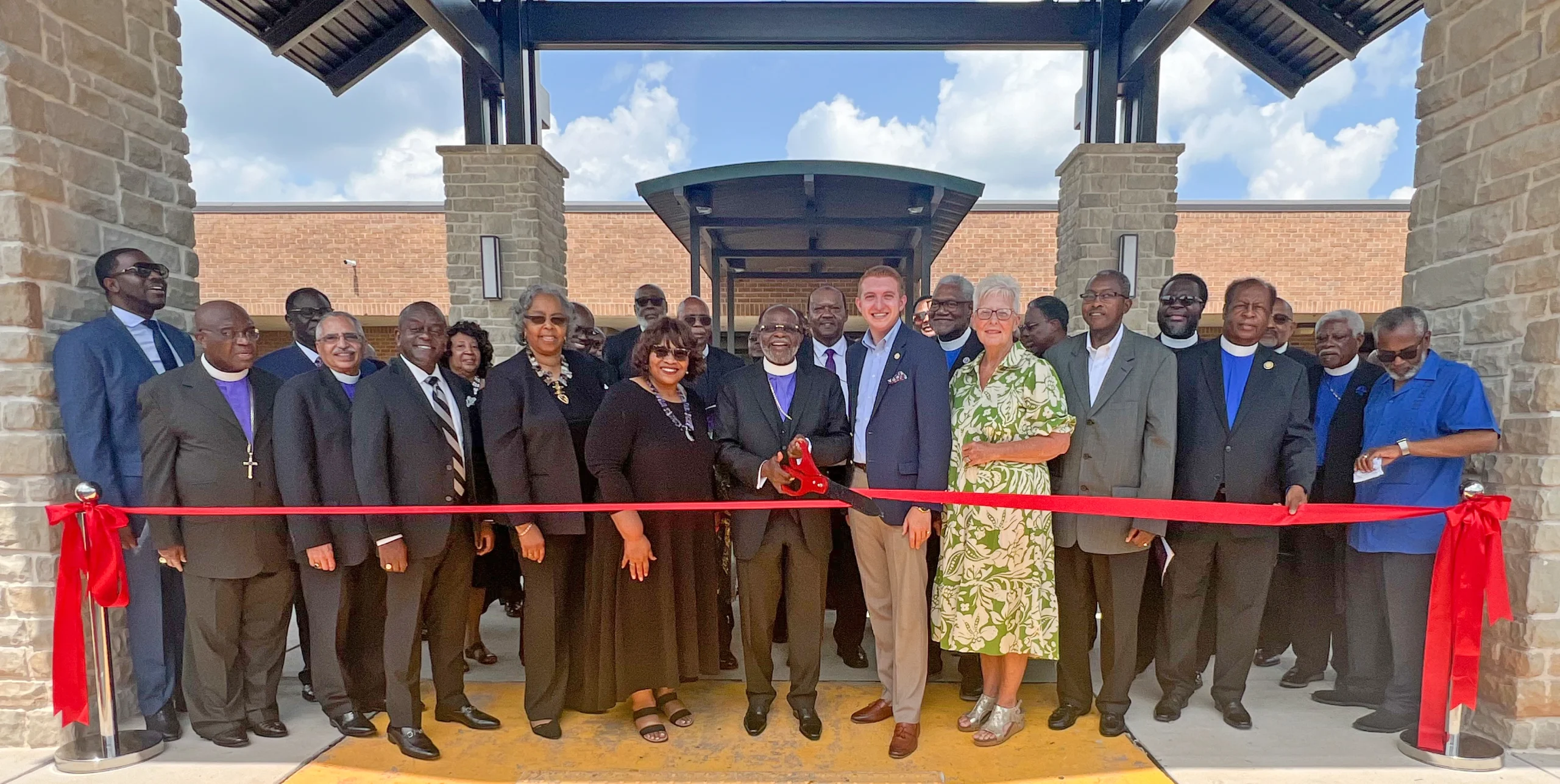
“Phase 1” renovations included fixes and improvements to heating and air-conditioning systems, roofs, plumbing and lighting, according to a 2024 interview with the retreat’s project manager, Charles Young, by a local newspaper, The Voice of Blythewood & Fairfield County.
“We also completed general cleanup of the buildings and property and painting, including working on the kitchen and dining hall. We also brought the buildings up to code and installed security and audio/video systems,” said Young. “It had been sitting here empty and unused for about four years when we purchased it, so there was some deterioration during that time.”
Young, a presiding elder within the AME Church and a former president of Allen University, told The Voice that the church planned to spend $10 million on the first phase of repairs but ended up with costs of $2.5 million due to “creative” and “nontraditional” funding resources.
This phase of work also included building a pavilion and adding a new sign at an unknown cost. A May 2024 estimate from a contractor listed the costs of such structures at $560,000. County building permits listed a total construction value of $331,000.
Still in need of repair, said Young, were the motels and houses on the property, as well as landscaping and roads.
A 2023 inspection report from the S.C. Department of Environmental Services noted that roads to the center’s wastewater treatment plant, which was installed in 1979, contains “washouts” in need of repair.
“Even though Phase I is completed, we’ve still got a lot of work to do,” reported Young, who could not be reached for comment by The Post and Courier.
Keep on giving
Members of the AME Church have contributed for years to the center’s budget. Even on opening day in 2024, the bishop asked worshipers to make an offering.
“To keep the center going, we need a little more than ‘Amazing Grace,’” Green told his audience.
Green told those present to address payments to the Vision Center, the nonprofit he founded. He still serves as its registered agent, even after leaving South Carolina in late 2024. He now is leader of the First Episcopal District of the AME Church and based in Philadelphia.
The property deed shows the conference center is owned by Green’s nonprofit rather than the Seventh District of the AME Church.
After Green made his appeal from the stage, clergy and others made pledges, many of them making their way to the stage to hand Green a check or show him a donation receipt displayed on their cellphones. The bishop announced the donations as they came — a total of more than $15,000. That included $1,000 pledged by James L. Davis, a fellow AME bishop who now serves as Green’s successor in South Carolina.
Davis, Green and other officials in the AME church and at Allen University have recently been the subject of complaints by an activist group called Citizens for Justice. The group’s website includes alleged secret recordings of Davis at an AME event on Sept. 13, 2024, in which the new bishop supposedly said that some of the money raised during “Allen Days” at church conferences went instead to the Vision Center, as well as for a third, undisclosed use.
The recorded conversation is alleged to have been between Davis and Ernest McNealey, Allen’s former president. Neither could be reached to verify the authenticity of the recording.
The conversation noted that people should have been told that their Allen donations were being used elsewhere, and that future collections on “Allen Days” would only be split between the university and the Vision Center, “which means you all will be making a lot more money,” the bishop allegedly told McNealey.
Karol Widemon Montgomery, a lawyer and former university trustee, noted this alleged conversation between Allen’s leaders in a 129-page lawsuit she filed in March against Allen trustees and the AME church alleging widespread fraud.
“During that meeting, Defendant Davis acknowledged that funds raised for Plaintiff AU had been distributed among multiple entities rather than being delivered to the university,” states the lawsuit. “Rather than taking steps to investigate, disclose, or correct this conduct, Defendant Davis and Defendant McNealey agreed, upon information and belief, to continue the practice of distributing such funds outside the University.”
Montgomery’s lawsuit notes other allegations of misconduct by AME and Allen officials, including actions by university employees to try and improperly obtain federal money for the renovated former hospital on campus, which is now called the Waverly-Clyburn Building.
In December, Allen’s board elected not to renew McNealey’s contract.
‘How you feel now?’
Green’s leadership has come under scrutiny before. As a former chairman of the board overseeing the AME Church’s Department of Retirement Services, he was among church officials sued in 2022 over the loss of $90 million from a church pension through alleged mismanagement. The class-action lawsuit has settled and at least $60 million, and as much as $104 million, is planned to be given to plaintiffs, namely AME Church employees whose pensions were affected, though these figures do not include significant legal costs.
This scandal and others within the AME Church are mentioned in “Mother Emanuel: Two Centuries of Race, Resistance and Forgiveness in One Charleston Church” by Kevin Sack. The Charleston author was named a finalist for the Pulitzer Prize on May 4 for his 2025 book about Emanuel AME Church in downtown Charleston and the 2015 racial massacre that unfolded in the church basement.
Sack wrote of the frequent monetary collections that occur within the wider AME Church and how some church leaders live handsomely, able to supplement their official salaries in a variety of ways.
“On occasion, the means in which church leaders accumulated wealth had prompted investigations. But more insidiously, it simply had become an ingrained assumption that a share of the millions that churches passed up the denominational chain wound up in the service of something other than needy AME missions and colleges,” wrote Sack, a former New York Times journalist.
Despite the steady specter of financial mismanagement or misconduct within the AME Church, Green took time during the Vision Center’s dedication service to gently scold those who previously harbored doubts about the facility’s viability. He encouraged them to finally break free of their skepticism and donate.
“Those of you who were pledging and you gave pledges and you started on your pledge and the negative voices started speaking that, ‘We’re raising money, but we’re not gonna get a center,’ and you didn’t fulfill your pledge,“ said Green, “Now you’ve got reason to go back and complete your pledge, because I did what I said I was going to do.”
Green told the audience that “one or two people” even asked him to return their donations when they began to have doubts about the center’s progress.
He said he did return that money. Then the bishop posed a question to the doubting Thomases.
“Tell me,” Green said as he flashed a smile, “How you feel now?”